
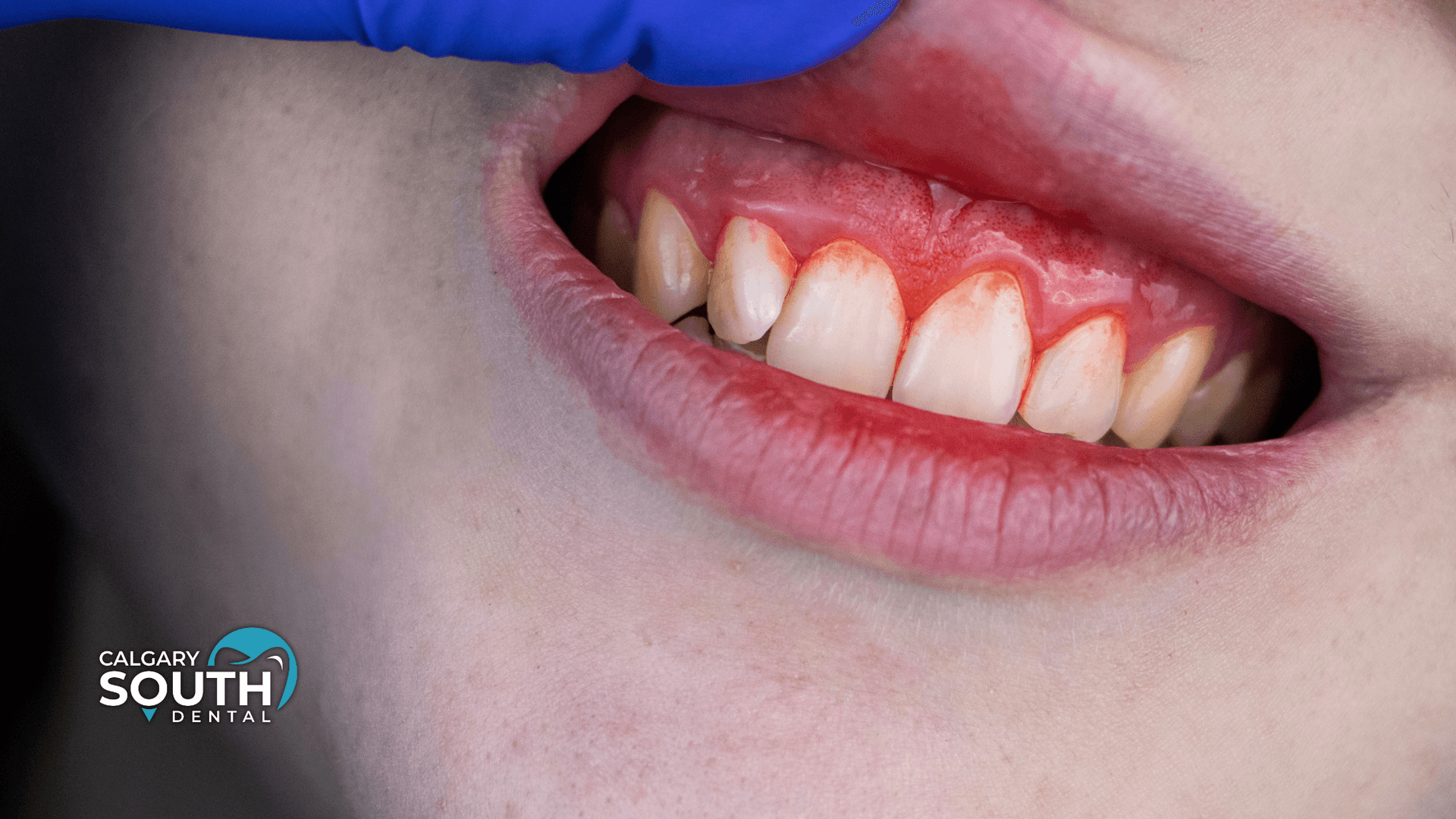
Whitening treatments can enhance your smile, but they may also lead to gum irritation for some individuals. If you’ve experienced discomfort or sensitivity during or after a whitening procedure, you’re not alone.
Understanding the causes of gum irritation and knowing how to alleviate it is important for maintaining your oral health. In this post, we will explore the connection between whitening treatments and gum irritation, as well as practical steps you can take to protect your gums and enjoy a brighter smile without discomfort.
Key Takeaways
- Teeth whitening products can irritate gums if applied incorrectly or overused.
- To prevent irritation, avoid contact with gums and follow product instructions carefully.
- If irritation occurs, rinse with water and consult your dentist for safe treatment options.
Can Whitening Cause Gum Irritation? What to Do
With the popularity of teeth whitening treatments, many people experience questions about their effects, particularly concerning gum irritation. You may find that some whitening products can lead to discomfort or irritation in your gums, which can be concerning.
This post will examine how tooth whitening can affect your gum health, what symptoms to look for, and practical steps you can take to alleviate any irritation while maintaining that bright smile you desire.
The Chemistry of Whitening Agents and Their Effects on Gum Health
Teeth whitening agents, primarily composed of hydrogen peroxide or carbamide peroxide, can effectively lift stains from your enamel. However, these same agents may also impact your gum tissue.
The potency of these bleaching agents is measured by their concentration levels, with higher concentrations posing an increased risk of irritation or chemical burns to sensitive gum areas.
“Choosing a whitening product with a lower concentration of active ingredients can reduce the risk of gum irritation while still delivering effective stain removal.”
- Dr. Strater Crowfoot, DDS, MSD, Pediatric Specialist in SE, Calgary
How Whitening Ingredients Interact with Gum Tissue
The interaction between whitening agents and gum tissue primarily occurs through the release of free radicals during the oxidation process. These free radicals can lead to inflammation by breaking down cellular structures in gum tissue, causing sensitivity or discomfort.
Direct contact with the gums is often the root cause of irritation, making technique and application timing vital in reducing any adverse reactions.
The Role of pH Levels in Gum Irritation
pH levels play a significant role in determining the extent of gum irritation caused by whitening treatments. Many whitening products have a lower pH, typically ranging from 4-6, making them more acidic.
This acidity can strip away protective mucosal barriers, increasing sensitivity and irritation in your gums.
Understanding pH levels is necessary because your gums thrive in a neutral environment. An acidic pH can compromise the integrity of your gum tissue, making it more susceptible to irritation.
For instance, a study found that prolonged exposure to acidic whitening agents could generate a pH drop significant enough to lead to noticeable gum irritation. Therefore, selecting whitening products with a more neutral pH can help minimize discomfort and support your overall gum health during the whitening process.
The Mechanisms of Whitening Products and Gum Reaction
Understanding how whitening products function is imperative for recognizing their potential impact on your gums. These products typically contain active ingredients that penetrate enamel, seeking stains that have settled over time.
While the outcomes can lead to a brighter smile, the chemical reactions involved can result in varying degrees of sensitivity and irritation for some individuals, particularly in sensitive gum tissues.
The Role of Active Ingredients
The effectiveness of whitening products largely depends on active ingredients, most commonly hydrogen peroxide or carbamide peroxide. These agents release oxygen molecules that break down stain particles within your teeth.
However, the concentration of these compounds can vary widely among products, and higher concentrations may heighten the likelihood of gum discomfort during the whitening process.
How Whitening Agents Interact with Oral Tissues
Whitening agents interact with oral tissues primarily through oxidation reactions. When applied, these compounds can alter the pH levels in your mouth, which may trigger an inflammatory response in your gums.
This reaction can manifest as irritation or heightened sensitivity, especially if the product makes prolonged contact with soft tissues.
When hydrogen peroxide or carbamide peroxide is activated in your mouth, they begin to oxidize not only the discolored molecules in your teeth but also the surrounding soft tissues, potentially creating an imbalance in your oral environment. This can lead to inflammation and irritation, particularly for those with pre-existing gum issues or sensitive tissues.
Factors such as the duration of application and frequency of use also play a role in how your gums react; longer exposure to these agents can further exacerbate irritation, leading to discomfort during and after whitening treatments. Being aware of these interactions can help you make more informed choices and take necessary precautions when using such products.
Recognizing Symptoms of Gum Irritation from Whitening Treatments
Identifying the symptoms of gum irritation resulting from whitening treatments can help you take timely action. Common signs include redness, swelling, bleeding in the gum area, and increased sensitivity to temperature changes.
If you notice persistent discomfort while brushing or eating, these are clear indicators that your gums may be reacting negatively to the whitening agents. Keeping an eye on these symptoms ensures that you can safeguard your oral health while still pursuing your smile goals.
Common Signs and Symptoms to Watch For
While undergoing a whitening treatment, be vigilant about signs such as tenderness, swelling, or a burning sensation in your gums. You might also experience heightened sensitivity to hot or cold foods and drinks.
If your gums appear inflamed or you notice blood on your toothbrush, these symptoms may indicate irritation. Documenting these changes can assist your dental professional in determining the best course of action.
Differentiating Between Temporary Discomfort and Serious Issues
Differentiate between mild, temporary discomfort and signs of more severe gum issues by assessing the duration and severity of your symptoms. If you experience irritation for a couple of days post-treatment, this is often normal and should subside.
However, if the symptoms persist beyond a week or worsen, it may signal a more significant problem, such as an allergic reaction or infection. Seeking professional advice in such cases helps to ensure appropriate treatment and prevents further complications.
Temporary discomfort after whitening treatments can manifest as mild gum sensitivity, typically resolving on its own. However, if your discomfort intensifies or persists, it might require immediate attention.
Persistent symptoms, like severe pain or continual bleeding, could suggest infection or adverse reactions to the whitening agents. Documenting your symptoms and when they occur can provide valuable information for your dentist, enabling them to offer the best possible care tailored to your needs.
Common Signs of Gum Irritation Due to Whitening
Identifying gum irritation from whitening products can help you address issues promptly. Common signs include redness, swelling, and sensitivity in the gum area, which may become aggravated during brushing or eating.
You might also notice bleeding gums or a burning sensation, particularly after using whitening strips or gels. If your gums feel sore or look inflamed for an extended period, it’s a clear indication that irritation may be occurring.
Symptoms to Watch For
Watch for symptoms like increased sensitivity when consuming hot or cold beverages, a lingering feeling of discomfort in your gums, or any visible changes in color or texture. These symptoms can indicate that your gum tissue is reacting negatively to the whitening agents in use.
If you experience any of these signs, it’s wise to reassess your whitening method.
Duration and Severity of Reactions
The duration and severity of gum irritation can vary significantly among individuals. For some, symptoms may subside within a few hours after treatment, while others might experience prolonged discomfort lasting several days.
If irritation persists beyond a week, consulting a dental professional is recommended to evaluate potential underlying issues and discuss alternative whitening options.
Typically, mild irritation should diminish quickly, but persistent or severe reactions warrant attention. Factors such as the concentration of whitening agents, pre-existing gum conditions, and overall oral health play vital roles in the severity of reactions.
For instance, those with sensitive gums or pre-existing periodontal issues may experience heightened sensitivity, so adjusting product usage or frequency may be necessary. It’s vital to listen to your body and take adequate precautions to ensure your whitening experience remains pleasant and safe.
The Impact of Overuse: When Whitening Becomes Harmful
Overusing whitening products can lead to a host of negative effects, including enamel erosion and increased gum irritation. While brightening your smile is desirable, excessive use can compromise the integrity of your oral health, potentially leading to long-term damage.
If you notice persistent sensitivity or gum discomfort, it may signify that your whitening routine is too aggressive, prompting a reevaluation of your approach to achieve a healthy balance without harm.
Frequency of Use: Finding the Balance
Finding the right frequency for whitening treatments is key to effective and safe results. Experts recommend limiting the use of whitening products to once every few months, depending on the method—whether it’s strips, gels, or professional treatments.
It’s crucial to gauge how your teeth and gums respond and adjust accordingly, aiming to maintain both brightness and overall oral health.
Understanding Sensitivity and Its Connection to Gum Health
Sensitivity often arises from aggressive whitening treatments, which can irritate not just enamel but also the gums. If you regularly experience discomfort during or after whitening, it could indicate a need for less frequent treatments or the selection of gentler formulations.
Pay attention to how your teeth and gums react post-treatment, and consider consulting with a dental professional to create a personalized plan for whitening that prioritizes your gum health.
Understanding the connection between sensitivity and gum health helps you make informed decisions about whitening. For example, if you experience heightened sensitivity, it’s not just uncomfortable; it can also lead to gum recession, exposing sensitive tooth roots and increasing the risk of cavities.
Addressing both whitening frequency and product type can mitigate these issues, ensuring that your pursuit of a whiter smile doesn’t come at the cost of your gum and tooth health.
Risk Factors for Gum Irritation
Certain factors increase the likelihood of experiencing gum irritation while using whitening treatments. These include the concentration of the whitening agent, the duration of exposure, and your dental hygiene habits.
You should also consider any chemical sensitivities you may have. It’s crucial to follow product instructions to mitigate adverse effects.
- Excessive use of whitening products
- Use of high-concentration whitening agents
- Poor dental hygiene practices
- Pre-existing dental conditions
Any combination of these risk factors can heighten the chance of gum irritation, leading to discomfort or adverse reactions as you pursue a brighter smile.
Pre-existing Conditions and Sensitivities
If you have pre-existing gum disease, sensitivity, or allergies, you’re already at a higher risk for irritation from whitening treatments. These conditions can compromise your gum’s ability to tolerate the chemicals and active ingredients in these products.
Consulting with your dentist before starting any whitening regimen is recommended to avoid complications.
User Error in Whitening Application
User error during the application of whitening treatments can significantly contribute to gum irritation. Improper use of products, such as neglecting to follow the recommended timings or failing to apply the gel evenly, can lead to excessive exposure of the gums to the whitening agents.
For instance, if you apply too much product or fail to create a barrier between the gel and your gums, you could experience a reaction. Whitening strips that shift during wear can also expose your gums to the active ingredients more than necessary.
Being mindful of dosage, duration, and product fit is crucial to protect your gums and achieve the desired whitening effects safely.
Expert Recommendations for Preventing Gum Irritation
A few proactive steps can significantly minimize the risk of gum irritation during whitening treatments. Following the advice of dental professionals can help safeguard your gums while you achieve that dazzling smile.
Opt for whitening products that have lower concentrations of hydrogen peroxide and always follow the manufacturer’s instructions carefully. Regular dental visits for professional cleanings can also prepare your gums for any potential treatment.
Pre-Treatment Tips: Preparing Your Gums
Ensuring that your gums are healthy before beginning a whitening regime is necessary. Maintain good oral hygiene by brushing and flossing daily, as well as scheduling a check-up with your dentist. This allows any pre-existing conditions to be addressed.
Additionally, consider doing the following:
- Use a soft-bristled toothbrush to prevent irritation.
- Incorporate a toothpaste designed for sensitive gums.
- Rinse with an antibacterial mouthwash to reduce bacteria.
- Check with your dentist about possible anti-inflammatory gels.
After taking these steps, you’ll be better prepared to handle the whitening process.
Post-Whitening Care: Soothing Your Mouth
After whitening, your gums might feel sensitive. It’s necessary to soothe your mouth to reduce discomfort. Usually, post-whitening treatment does not need hydrogen peroxide or saltwater rinse.
Hydrogen peroxide is not usually advised after treatment because it may irritate the gums, even though rinsing with salt water may help reduce irritation. Incorporate cold packs against the outside of your mouth if you experience swelling.
You might also want to avoid particularly hot or spicy foods for a few days as your gums recover.
Following whitening treatment, your priority should be caring for your gums. Staying hydrated and using a gentle, alcohol-free mouthwash can further assist in alleviating irritation.
Additionally, choose soft foods that won’t aggravate sensitive areas. Avoiding toothpaste with strong flavoring, and aiming for co-products for sensitive gums can significantly enhance your comfort level during this sensitive phase.
Engaging in these helpful practices will support your oral health as you enjoy your brighter smile.
Effective Solutions and Preventative Measures
Identifying effective solutions and preventative measures can help you minimize gum irritation while still achieving that bright smile. One crucial strategy is to reduce the frequency of whitening treatments and explore gentler options that include lower concentrations of whitening agents.
Additionally, maintaining a consistent oral hygiene routine will keep your gums healthy and better equipped to handle the effects of whitening products. Don’t hesitate to discuss customized whitening plans with your dental professional to ensure a balance between aesthetics and safety.
Adjusting Your Whitening Regimen
Modifying your whitening regimen can drastically reduce the risk of gum irritation. Start by limiting how often you perform whitening treatments, spacing them out over weeks or months.
Instead of prolonged application times, consider shorter treatments or products designed for sensitive teeth. Your dentist can recommend specific brands or concentrations that align with your dental needs while ensuring effective results.
Home Remedies for Soothing Irritation
If you experience gum irritation from whitening products, several home remedies can provide relief. Rinsing your mouth with a warm saltwater solution is a time-honored method that helps decrease inflammation and promote healing.
Additionally, aloe vera gel can be applied directly to irritated gums due to its soothing properties. Other options include using over-the-counter anti-inflammatory gels or cold compresses to alleviate discomfort.
Rinsing with a saltwater solution not only helps with inflammation but also acts as a mild antiseptic, reducing the risk of infection in vulnerable areas. Aloe vera gel is rich in vitamins and has a reputation for its anti-inflammatory benefits, making it ideal for soothing swollen or tender gums.
If irritation persists, consider applying chamomile tea bags as compresses to benefit from their natural calming properties. Trying out these remedies can certainly ease your discomfort while your gums recover.
Alternative Whitening Options for Sensitive Gums
If traditional whitening methods have left your gums irritated, alternative options could offer relief without compromising your dental health. Consider products that are specifically designed for sensitive teeth and gums, which often contain lower concentrations of hydrogen peroxide and alternative whitening agents.
Furthermore, using methods like custom-fitted whitening trays may allow you to control the application process better and minimize contact with sensitive gum tissue. Exploring these alternatives can help you achieve the desired whitening effects while protecting your gums.
Natural Remedies and Their Effectiveness
Natural remedies, such as baking soda, activated charcoal, or hydrogen peroxide diluted in water, can provide gentle whitening effects. These alternatives allow you to achieve a brighter smile with less risk of gum irritation.
Baking soda, known for its mild abrasive qualities, can effectively remove surface stains. However, ensure to use these remedies sparingly, as overuse could lead to enamel erosion or irritation.
Professional Treatments with Reduced Risk
Opting for professional whitening treatments, particularly those tailored for sensitive gums, can significantly reduce the risk of irritation. Dentists often employ techniques like in-office laser whitening or custom take-home kits with lower concentrations of bleaching agents.
These methods allow for a safer application, ensuring your gums remain protected while still achieving noticeable results. Additionally, discussing your sensitivity with your dentist can lead to personalized solutions, such as desensitizing treatments prior to the whitening process, effectively minimizing discomfort.
Professional treatments with reduced risk take into account your unique dental condition and sensitivity levels. Your dentist can assess your gums and recommend suitable whitening agents to ensure they are compatible with your oral health.
These tailored solutions often include the application of protective barriers to shield the gums during the whitening process. By collaborating closely with your dentist, you can explore options that focus on achieving your desired results while prioritizing your gum health.
Professional Advice: When to Consult a Dentist
If you notice your gums becoming increasingly irritated or if discomfort persists after whitening treatment, seek professional advice. Your dentist can assess your gum health and determine if the irritation is a sign of an underlying issue or an allergic reaction to specific ingredients in the whitening products.
Regular check-ups also help ensure that your teeth and gums remain healthy throughout any whitening process.
Identifying Serious Concerns
Be vigilant for signs of serious concerns, such as severe swelling, bleeding gums, or extensive pain. These symptoms can indicate an adverse reaction that requires immediate professional intervention to prevent further damage.
Your dentist can provide personalized assessments and necessary treatments to alleviate your discomfort and address any potential complications.
Exploring Alternative Whitening Options
If traditional whitening methods are causing you discomfort, alternatives are available that may be gentler on your gums. Products like natural whitening toothpastes, baking soda, or activated charcoal can lighten stains without harsh chemicals.
Additionally, discussing professional treatments such as in-office whitening can provide results without compromising gum health.
Alternative whitening options can often deliver effective results while minimizing oral discomfort. Over-the-counter whitening strips with lower concentrations of active ingredients might be an ideal compromise, offering gradual whitening without overwhelming your gums.
Furthermore, Oranges, strawberries, and coconut oil pulling are examples of natural therapies that may not work well to brighten teeth and may even damage tooth enamel. Consulting with your dentist about these alternatives will help tailor the best approach for your dental health and cosmetic goals.
Conclusion
To wrap up, while whitening treatments can enhance your smile, they may lead to gum irritation for some individuals. It’s important to monitor your oral health during the whitening process, and if you experience discomfort, consider pausing treatment or exploring gentler alternatives.
Maintaining good oral hygiene and consulting with your dentist for personalized advice can help minimize any adverse effects and ensure a safe whitening experience tailored to your unique needs.
Summing up
It’s advisable to follow the instructions carefully, choose products suited to your sensitivity level, and consult with your dentist if you experience discomfort. Taking these steps can help ensure a safer whitening experience, allowing you to enjoy a brighter smile without compromising your gum health.
Ready to whiten your teeth safely without the worry of gum irritation? Calgary South Dental in SE, Calgary, experienced team can assess your unique needs and recommend the best whitening approach for your sensitivity level. Book your appointment at https://calgarysouthdental.ca/ today and let our professionals guide you toward a brighter, healthier smile with minimal discomfort.
Calgary South Dental
Ready to book your visit?
Call 403-984-1616 or book online — new patients are always welcome.
Book Appointment→