
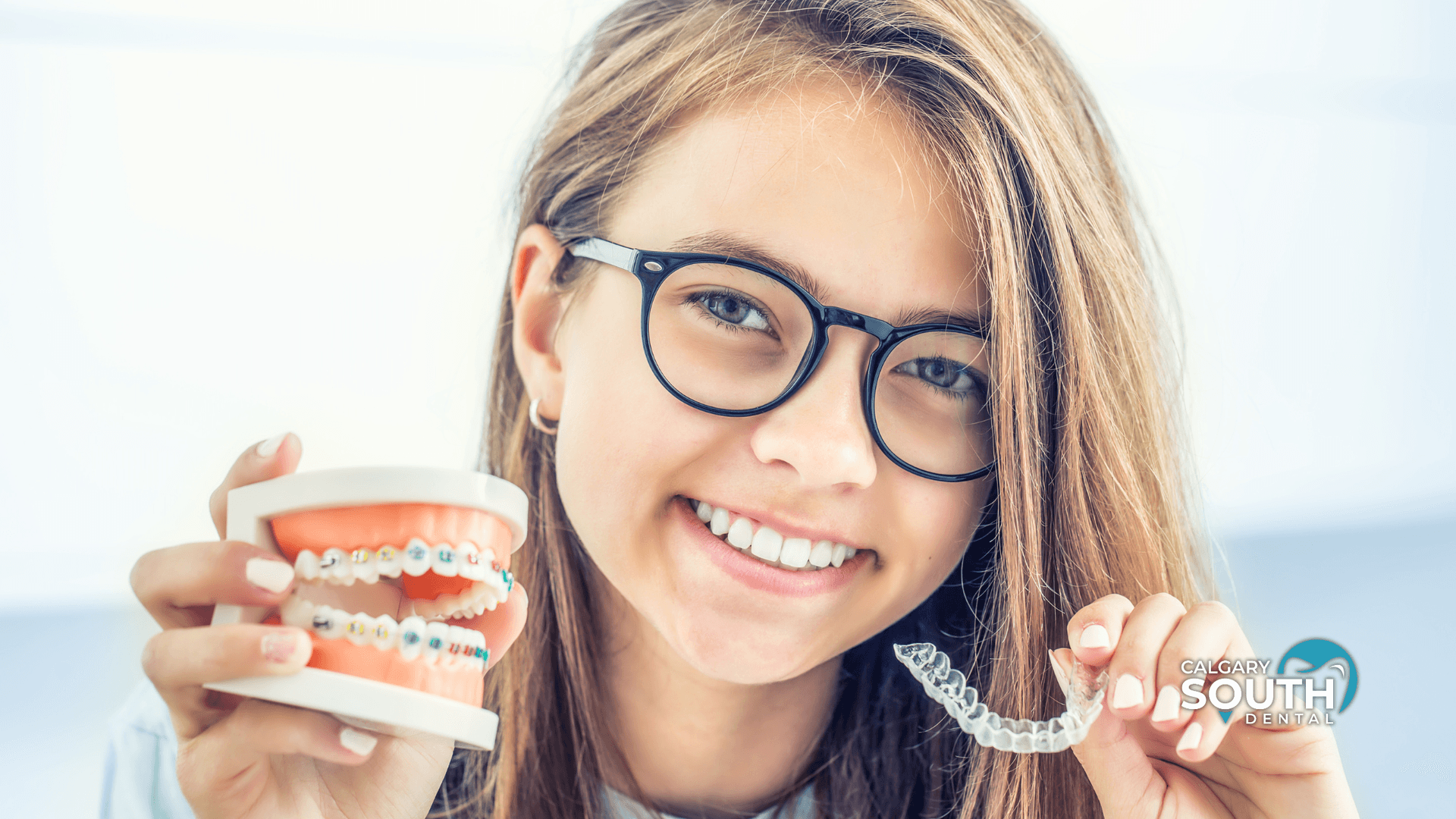
There’s a lot to consider when deciding between Invisalign and traditional braces for your orthodontic treatment. Both options have their own unique advantages and challenges, so understanding how each one aligns with your lifestyle, comfort, and personal preferences is crucial.
In this post, you will explore the key differences between these two popular methods of teeth straightening, helping you make an informed choice that best suits your dental needs.
Key Takeaways:
- Invisalign offers a more discreet treatment option with clear aligners, making it ideal for those who prefer a less noticeable orthodontic solution.
- Traditional braces are generally better suited for complex dental issues, providing effective correction for severe alignment problems using brackets and wires.
- The choice between Invisalign and traditional braces may depend on lifestyle preferences, treatment goals, and the specific recommendations from your orthodontist.
Understanding Invisalign
The Invisalign system is a modern orthodontic treatment designed to straighten teeth using a series of clear, removable aligners. Unlike traditional braces, which utilize wires and brackets, Invisalign aligners are crafted from a smooth, comfortable plastic that fits snugly over your teeth.
This innovative approach allows for a more discreet and flexible way to achieve your desired smile without the aesthetic concerns associated with metal braces.
How Invisalign Works
One of the key benefits of Invisalign is its advanced technology, which begins with a personalized treatment plan created using digital impressions of your teeth. This plan maps out the precise movements your teeth will undergo throughout the treatment process.
You will wear each set of aligners for about two weeks, gradually shifting your teeth into their ideal positions until the treatment is complete.
Advantages of Invisalign
On top of being nearly invisible, Invisalign offers a range of advantages that make it a popular choice among patients. The aligners are removable, allowing you to eat and drink whatever you like without restrictions.
Additionally, the smooth material reduces discomfort typically experienced with traditional braces, and fewer office visits mean you can save time during your busy schedule.
Another significant advantage of Invisalign is its ease of oral hygiene. Since the aligners are removable, you can brush and floss your teeth as usual, eliminating the challenges often faced with traditional braces.
This lifestyle flexibility, combined with the aesthetic appeal of clear aligners, makes Invisalign an attractive option for many adults and teens seeking an effective teeth straightening solution.
Understanding Traditional Braces
There’s a reason traditional braces have been a popular choice for generations. These metal brackets and wires are designed to correct misaligned teeth and improve your smile.
They consist of brackets bonded to your teeth, connected by archwires that gently nudge your teeth into the desired position over time. If you’re looking for a time-tested method to achieve a straighter smile, understanding how traditional braces work is necessary.
How Traditional Braces Work
Below, you’ll find that traditional braces function through the application of continuous pressure. The brackets hold the archwires in place, which gradually move your teeth into alignment.
Your orthodontist will adjust the wires periodically, helping to ensure that your teeth move at a consistent rate until your desired results are achieved. This process typically takes anywhere from 18 months to three years, depending on your specific needs.
Advantages of Traditional Braces
Beside being effective for a wide range of orthodontic issues, traditional braces offer some distinctive advantages. They are often more suitable for complex alignment problems and can handle cases that may not be addressable with aligners.
Additionally, they do not rely on patient compliance, which ensures that your treatment progresses as planned, regardless of how diligent you are with wearing aligners.
And, traditional braces are generally more economical compared to other options, making them accessible for various budgets. The durability of metal braces means they can withstand the daily wear and tear, providing a reliable option for many patients.
While they may be visible, their effectiveness in straightening teeth and correcting bite issues often outweighs aesthetic concerns, offering you a solid, proven solution to improve your smile.
Comparing Effectiveness
For choosing between Invisalign and traditional braces, understanding their effectiveness is key. Both options can straighten teeth and address alignment issues, but they do so in different ways.
Below is a comparison table to help you understand their effectiveness:
| Invisalign | Traditional Braces |
| More suitable for mild to moderate cases | Effective for complex cases |
| Aligners are removable | Brackets are fixed |
| Requires discipline to wear aligners | Can work without patient compliance |
Treatment Duration
Below, you will find that the treatment duration varies between Invisalign and traditional braces. Typically, Invisalign treatment lasts between 12 to 18 months, while traditional braces often complete treatment in about 18 to 24 months, depending on your specific needs and case complexity.
Suitability for Various Cases
Comparing the suitability of these options is imperative as each treatment excels in different situations. Invisalign is often best for mild to moderate cases, whereas traditional braces are better equipped to handle more complex dental issues.
For instance, if you have severe crowding, large gaps, or bite issues, traditional braces may be a more effective choice for you. On the other hand, if your concerns are primarily aesthetic and include minor spacing and alignment issues,
Invisalign could offer a more discreet and comfortable solution. Understanding your specific dental needs will guide you toward the right option.
Comfort and Aesthetics
Once again, when considering comfort and aesthetics, Invisalign aligners provide a distinct advantage over traditional braces. The clear, plastic aligners are designed to fit snugly over your teeth, minimizing discomfort and avoiding the sharp edges often associated with metal braces.
Additionally, since they are nearly invisible, you can feel more confident in your appearance during the treatment process. On the other hand, traditional braces may be less comfortable due to the brackets and wires that can cause irritation, but they can offer a more pronounced visual statement of your commitment to correcting your smile.
Wearer Experience
Behind the scenes, your experience with braces or Invisalign can shape not only your dental health but also your everyday comfort. Many users of Invisalign appreciate the ability to remove their aligners when eating or brushing, which enhances comfort and hygiene.
Traditional braces, while effective, often require adjustments and can lead to increased discomfort as the wires tighten.
Visual Impact
By choosing Invisalign, you benefit from a treatment that is discreet and virtually invisible, allowing you to maintain a natural smile throughout the process. This minimal visual impact can be especially attractive for adults and teens who may feel self-conscious about traditional metal braces.
A noticeable advantage of Invisalign is the ability to maintain a more natural appearance while undergoing orthodontic treatment. The clear aligners blend seamlessly with your teeth, allowing you to smile with confidence without drawing attention to your dental work.
In contrast, traditional braces are composed of visible metal brackets and wires that can be distracting and may affect your confidence. If aesthetics are a priority for you during your orthodontic journey, Invisalign may be the ideal solution to help achieve your desired look while improving your smile.
Cost Considerations
All factors contribute to the overall cost of your orthodontic treatment, including the type of braces you choose, your location, and the complexity of your case. Traditional braces typically have a lower initial price point, but Invisalign’s level of comfort and aesthetics may justify the higher cost for some patients.
It’s necessary to weigh both options not only based on price but also on the value they provide for your specific dental needs.
Initial Investment
Across the board, traditional braces usually have a lower up-front cost compared to Invisalign. You might find that prices for traditional braces range from $3,000 to $7,000, while Invisalign can cost between $3,500 and $8,000.
Keep in mind that your specific situation, duration of treatment, and any additional services required can affect these estimates.
Long-term Financial Implications
One of the key factors in your decision is assessing the long-term financial implications of your choice. While the initial investment for Invisalign might be higher, it can potentially save you money down the road through fewer dental visits and less potential for complications.
The maintenance of your oral health can also affect your overall dental expenses in the future. With proper care, choosing a more comfortable option like Invisalign may lead to less wear and tear on your teeth and gums, minimizing long-term issues that require costly interventions.
Consider not only the upfront costs but also how each option may influence your dental health and finances over time.
Making the Right Choice
Keep in mind that both Invisalign and traditional braces have their unique benefits. Your decision should be based on your individual preferences, lifestyle, and dental needs.
Consider factors such as aesthetics, level of comfort, maintenance requirements, and treatment duration to determine which option aligns with your goals.
Personal Lifestyle Factors
Above all, your lifestyle and personal habits can play a significant role in your orthodontic choice. Consider these factors:
- Physical activities and sports
- Dietary preferences and restrictions
- Commitment to regular dental hygiene
- Social situations and appearance concerns
The choice is ultimately about what suits you best.
Consultation with Orthodontists
One of the best steps you can take is to consult with an orthodontist. They can provide you with personalized insights and guidance based on your dental condition and treatment goals.
Plus, an orthodontist can assess your teeth, jaw alignment, and facial structure to recommend the most suitable option for you. This professional evaluation will help you understand potential outcomes, treatment timeframes, and costs involved, ensuring you make a well-informed decision tailored to your needs.
Conclusion
Upon reflecting on the differences between Invisalign and traditional braces, it’s important for you to consider your personal lifestyle, comfort preferences, and treatment goals. Invisalign offers a discreet option with the convenience of removable aligners, while traditional braces provide a reliable and effective approach for complex orthodontic issues.
Assessing factors such as your budget, oral hygiene routine, and how visible you want your treatment to be will guide you in making the best choice for your smile journey.
Ready to transform your smile? Visit Calgary South Dental to schedule a personalized consultation and discover whether Invisalign or traditional braces are the right fit for your needs.
Calgary South Dental
Ready to book your visit?
Call 403-984-1616 or book online — new patients are always welcome.
Book Appointment→