
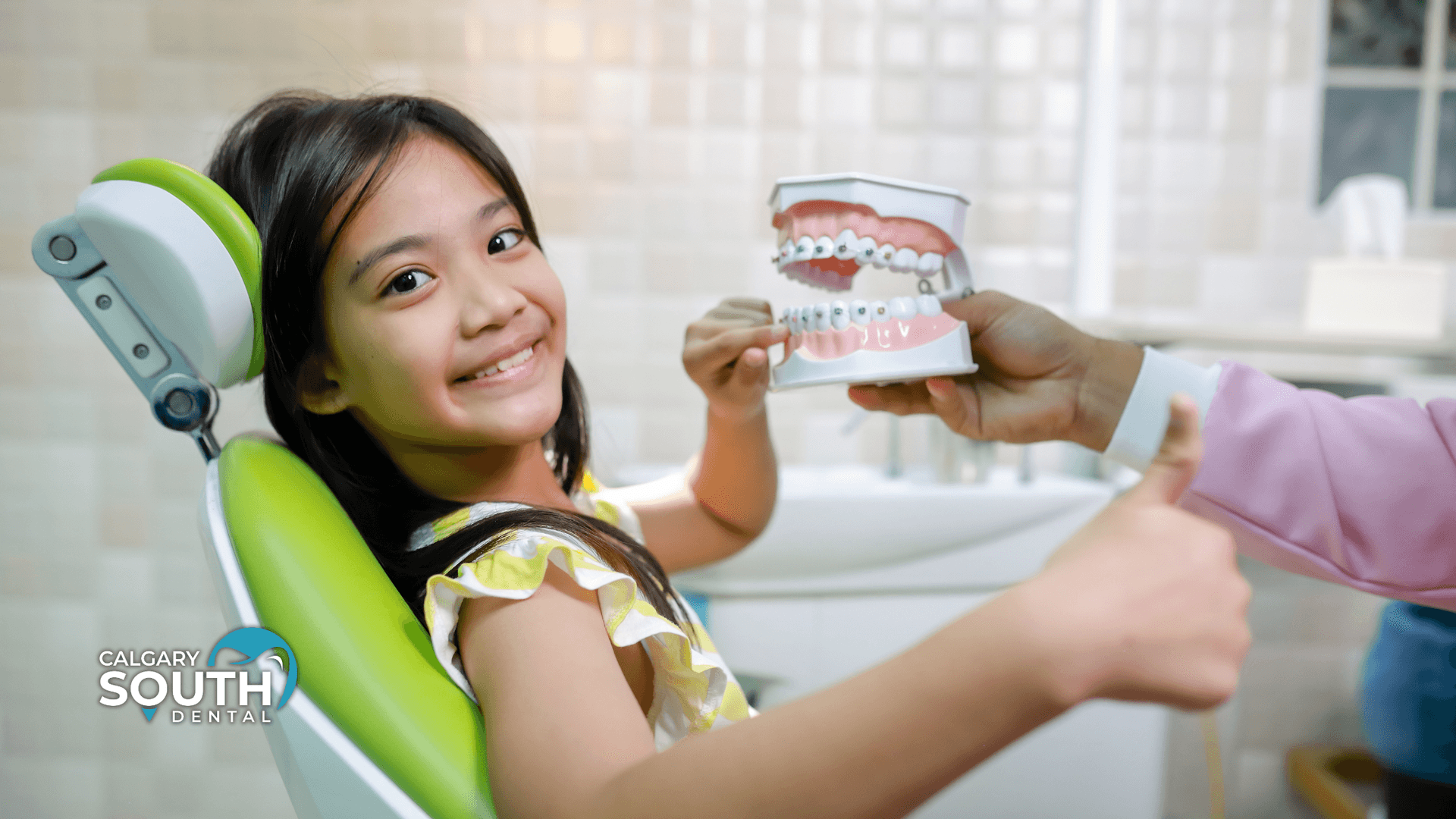
Most people experience some level of dental anxiety, which can prevent you from seeking necessary oral care. Sedation dentistry offers effective solutions to help you relax and feel comfortable during dental procedures.
Understanding the various sedation options available can empower you to make informed decisions about your dental visits. This post will explore how sedation dentistry can alleviate your fears, allowing you to focus on maintaining your oral health with confidence.
Key Takeaways:
- Sedation dentistry provides various options, such as nitrous oxide, oral sedatives, and IV sedation, to help ease patient anxiety during dental procedures.
- Communicating openly with your dentist about your fears and preferences is important in selecting the most suitable sedation method for your comfort.
- Patients often report a more positive experience and less memory of the procedure when sedation is utilized, leading to improved attitudes towards future dental visits.
Understanding Dental Anxiety
A significant number of individuals experience dental anxiety, which can make visits to the dentist daunting. This anxiety may stem from negative past experiences, fear of pain, or even the sounds and smells associated with dental offices.
Recognizing this anxiety is the first step towards overcoming it and ensuring a healthier relationship with your oral health.
Causes of Dental Anxiety
Dental anxiety often arises from negative experiences in the past, such as painful treatments or feeling powerless in the dental chair. Other common causes include fear of the unknown, lack of control, and feelings of vulnerability during procedures.
Understanding these triggers can help you address them and seek appropriate support.
Effects on Oral Health
Anxiety can significantly impact your oral health, leading to avoidance of dental appointments and neglect of necessary care. When you postpone visits due to fear, minor issues can escalate into more severe problems, resulting in bigger treatments that may cause even more anxiety.
This cycle can ultimately harm your overall well-being.
But it’s important to acknowledge that the effects of dental anxiety extend beyond the dental chair. When you avoid treatments, plaque and tartar can build up, leading to cavities, gum disease, and other serious issues.
This can create a vicious cycle where the longer you wait, the more anxious you may feel about needing dentistry, perpetuating the avoidance behavior and further jeopardizing your oral health.
Overview of Sedation Dentistry
Clearly, sedation dentistry offers a solution for patients grappling with dental anxiety, ensuring a calm and comfortable experience during dental procedures. By using various sedation methods, your dentist can help alleviate stress and fear, making it easier for you to receive necessary care.
This approach allows for a more relaxed environment, conducive to effective treatment and improved outcomes.
Types of Sedation
Your experience with sedation dentistry can vary significantly based on the type of sedation used. Each method has its unique benefits and applications:
- Intravenous (IV) Sedation
- Oral Sedation
- Inhalation Sedation (Nitrous Oxide)
- General Anesthesia
- Local Anesthesia
Knowing which type of sedation best fits your needs can enhance your dental experience and reduce anxiety effectively.
| Type of Sedation | Description |
| Intravenous (IV) | Administered through a vein for deep relaxation. |
| Oral | Medication taken by mouth to induce sedation. |
| Inhalation | Nitrous oxide (laughing gas) for mild sedation. |
| General Anesthesia | Complete unconsciousness for extensive procedures. |
| Local Anesthesia | Numbs a specific area without affecting awareness. |
Safety and Effectiveness
After considering sedation dentistry, it is important to evaluate its safety and effectiveness. Most sedation methods are not only safe but also highly effective in reducing anxiety, ensuring that you remain comfortable throughout your procedure.
This level of safety largely hinges on the qualifications of your dental professional and the appropriate protocols they follow. Dentists typically monitor your vital signs and adjust sedation levels as needed, allowing them to provide a safe and pleasant experience.
Additionally, understanding the potential effects of each sedation type helps you make informed decisions. Always discuss your medical history and any concerns with your dentist to ensure the best possible outcome for your dental care.
Benefits of Sedation Dentistry
Once again, sedation dentistry presents numerous benefits, particularly for those grappling with dental anxiety. By employing sedation techniques, you can experience a significantly reduced perception of discomfort during dental procedures and feel more at ease in the dental chair.
This approach not only enhances your comfort but also encourages you to attend necessary dental visits, leading to better oral health outcomes.
Enhanced Comfort
Above all, sedation dentistry offers enhanced comfort, allowing you to relax while the dental team performs necessary procedures. With various sedation options available, you can select what best suits your needs, transforming a previously tense experience into a more manageable and peaceful one.
Increased Treatment Acceptance
Around 40% of people with dental anxiety avoid dental care altogether, which can lead to more significant health issues later. Sedation dentistry addresses this challenge by making dental treatments more acceptable.
With a calm mindset, you are more likely to proceed with necessary appointments, ensuring that your oral health is prioritized.
Comfort is key to increasing treatment acceptance. When you experience less anxiety and discomfort during procedures, you’re more likely to trust your dentist and return for future visits.
This positive cycle encourages you to actively participate in your oral health care, allowing for timely interventions that prevent more severe issues down the line.
Choosing the Right Sedation Method
Many individuals experience varying levels of dental anxiety, making it vital to select a sedation method that aligns with your needs and comfort levels. Several options range from mild sedation to general anesthesia, each offering different benefits and levels of relaxation.
It’s important to assess your unique situation to find the optimal choice for a stress-free dental visit.
Factors to Consider
By evaluating specific aspects, you can determine the ideal sedation method for you. Consider these factors:
- Your anxiety level
- The type of dental procedure
- Your medical history
- Allergies and medication interactions
Any one of these elements can influence your comfort during dental procedures.
Consultation with Dental Professionals
One of the most effective steps you can take is to consult with your dental professionals about sedation options. Your dentist will review your specific needs, discuss possible methods, and guide you toward the safest and most effective solution tailored for you.
In addition to discussing your dental anxiety, this consultation serves as an opportunity for you to voice any concerns and ask questions regarding the sedation process. Your dentist will evaluate your medical history, current medications, and overall health, ensuring that you choose a method that is safe and effective for your situation. This personalized approach not only helps in alleviating anxiety but also empowers you to make informed decisions about your dental care.
Preparing for Sedation Dentistry
Now that you have decided to explore sedation dentistry as a way to manage your dental anxiety, preparation is key. Ensure you schedule a comprehensive consultation with your dentist, who will assess your medical history and discuss the type of sedation best suited for your needs.
You might also want to arrange for someone to accompany you on the day of your appointment as you will likely be groggy afterward.
Pre-Treatment Guidelines
Behind the scenes of effective sedation dentistry, there are important guidelines you should follow leading up to your appointment. Your dentist will provide specific instructions, which may include fasting for a certain period before the procedure and avoiding medications, foods, or drinks that may interfere with sedation.
Taking these steps will ensure that you have a safe and comfortable experience.
Patient’s Role in the Process
Before your sedation dentistry appointment, your active participation is crucial for a smooth process. This includes being open about your medical history, disclosing any medications you’re taking, and communicating any prior experiences with sedation.
Understanding the process, being honest with your dentist, and asking questions will help you feel more secure and prepared as you approach your appointment.
Indeed, your role extends beyond just following guidelines; staying informed about the sedation process can significantly ease your anxiety. Familiarizing yourself with what to expect will make you feel more in control.
Engage in discussions with your dentist about the type of sedation you will receive, the procedure itself, and any potential side effects. Armed with this knowledge, you can approach your appointment with confidence while building a trusting relationship with your dental team.
Recovery and Aftercare
For a smooth recovery after sedation dentistry, it’s important to follow your dentist’s guidance closely. You may experience some grogginess after the procedure, so having someone accompany you home is advisable.
Ensure you allow yourself time to rest and hydrate. It’s also crucial to avoid strenuous activity and follow dietary recommendations until you feel fully recovered.
Post-Procedure Guidelines
Among the best practices for post-procedure care, staying hydrated and consuming light meals can help ease any discomfort you may feel. Avoidation like alcohol and tobacco for at least 24 hours also play a significant role in your recovery.
Following these guidelines will maximize your comfort and promote a faster healing process.
Managing Side Effects
Around the time of the procedure, you might experience some side effects such as drowsiness, nausea, or headaches. It’s crucial to discuss these potentials with your dentist beforehand to ensure you are well-prepared.
Understanding what to expect can help mitigate any anxieties you may have regarding post-sedation effects.
And should you encounter side effects like nausea or headache after your procedure, self-care can be very effective. You might find relief through light snacks, staying hydrated, and resting in a comfortable position.
If symptoms persist or worsen, don’t hesitate to contact your dental office for advice; your dental team is there to support your recovery and address any concerns you may have.
Conclusion
With this in mind, managing your dental anxiety with sedation dentistry can significantly improve your experience at the dentist. By exploring options such as nitrous oxide, oral sedatives, or IV sedation, you can feel more relaxed and comfortable during your appointments.
It’s necessary to discuss your concerns with your dental provider, as they can tailor a sedation plan that best fits your needs, ensuring a more positive dental visit. Prioritizing your oral health while effectively addressing your anxiety is a step towards achieving a healthier, brighter smile.
Struggling with dental anxiety? Visit Calgary South Dental to learn how sedation dentistry can help you feel calm, safe, and confident during every dental visit.
Calgary South Dental
Ready to book your visit?
Call 403-984-1616 or book online — new patients are always welcome.
Book Appointment→