
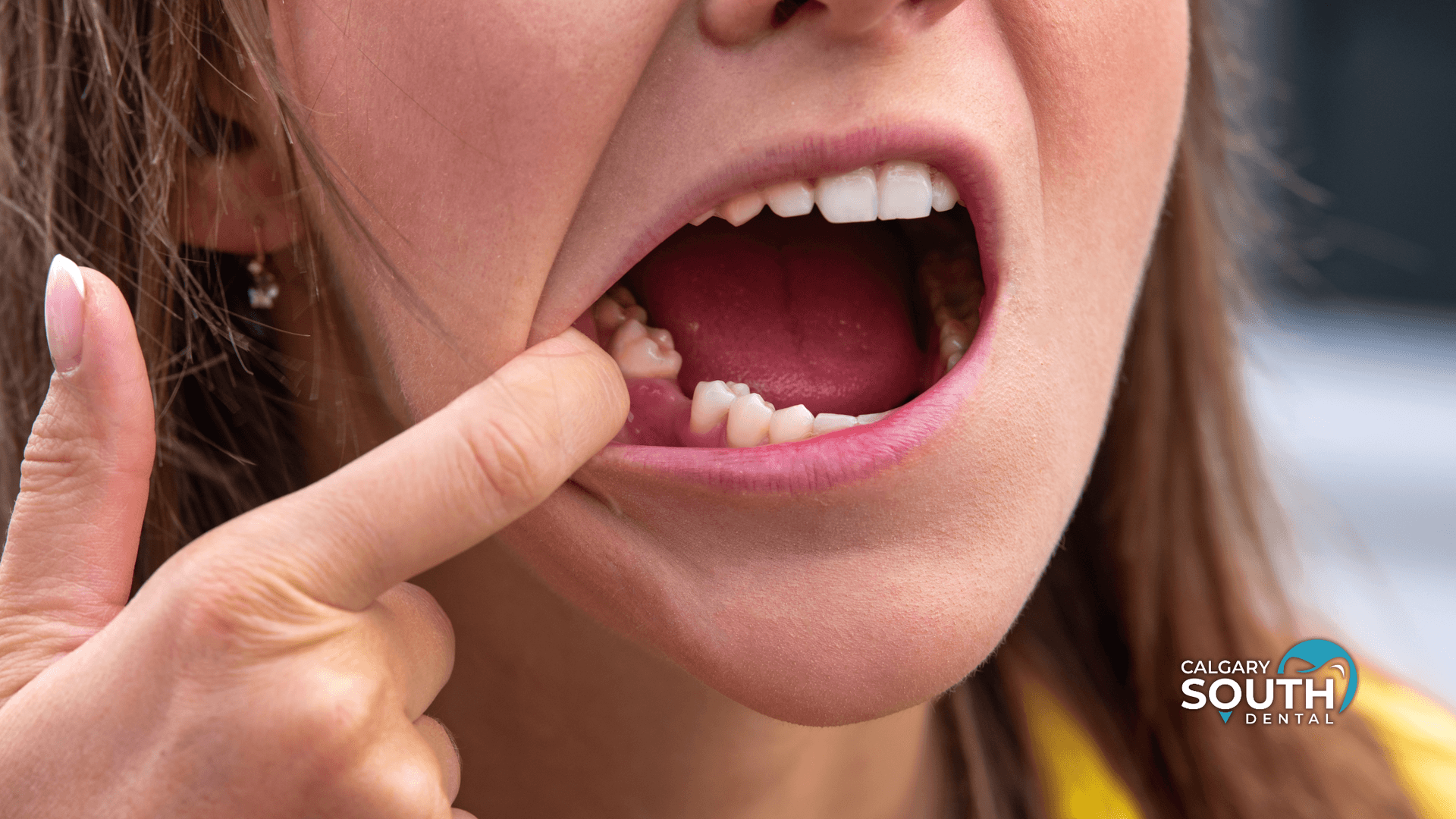
It’s important to understand the concept of overeruption after tooth loss, as it can have lasting effects on your oral health. When a tooth is lost, the adjacent teeth may shift, causing the opposing tooth to extend into the empty space.
This can lead to misalignment, discomfort, and additional dental issues over time. In this blog post, you’ll learn about the causes, implications, and potential solutions to manage overeruption effectively, ensuring you maintain your smile and overall dental health.
Key Takeaways
- Overeruption occurs when opposing teeth shift into the empty space after tooth loss.
- This can lead to bite problems, uneven wear, and gum issues if untreated.
- Timely tooth replacement or orthodontic treatment prevents complications from overeruption.
The Biological Mechanism of Overeruption
Overeruption occurs when a tooth continues to migrate downward or upward after its opposing tooth has been lost. This process involves the intricate interplay of biological signaling and mechanical forces.
Teeth are anchored in the jawbone by ligaments and respond to forces from chewing, which help maintain their position. Once a tooth is lost, the absence of opposing pressure disrupts this balance, leading to the neighboring tooth over-erupting as it seeks its counterpart to bite against.
“Overeruption may seem like a slow, passive process, but it actively impacts your bite stability and can eventually lead to significant alignment issues. Acting quickly after tooth loss is the key to maintaining long-term dental functionality.”
- Dr. Strater Crowfoot, DDS, MSD, Pediatric Specialist in SE, Calgary
How Tooth Loss Triggers Overeruption
Tooth loss initiates a series of physiological responses that lead to overeruption. Without the usual occlusal contact, the mechanoreceptors in the periodontal ligament become inactive, which normally signal to the body to prevent further movement.
This absence of stimulation allows the opposing tooth to shift into the empty space, creating an abnormal alignment and potentially causing further dental complications.
The Role of Adjacent Teeth in the Process
Adjacent teeth play a significant role in the overeruption phenomenon. When one tooth is lost, the nearby teeth are often affected by the changes in pressure and alignment.
As the missing tooth’s partners in occlusion no longer have a counterpart to engage with, they may tilt or drift into the gap. This movement can lead to further dental issues, such as misalignment or additional tooth loss, worsening the overeruption process.
As neighboring teeth start to shift due to the loss of occlusal contact, the biomechanics of your bite change significantly. For instance, if a molar is lost, the adjacent premolars may begin to drift into that space, leading to a misaligned bite, increased wear on remaining teeth, or jaw pain due to improper load distribution.
This chain reaction highlights the interconnectedness of your dental structure and why addressing tooth loss promptly is vital for long-term oral health.
Identifying the Early Signs of Overeruption
Noticing the early signs of overeruption is imperative for maintaining oral health after losing a tooth. You may experience changes in bite alignment or difficulties while chewing.
Detecting these signs promptly can help you take action before more severe issues develop. Paying close attention to visual cues and any discomfort in your teeth will allow you to manage the consequences of tooth loss effectively.
Visual and Physical Symptoms
Watch for any visible changes in your teeth, such as elongation of the opposing tooth or gaps between your teeth. You might also feel tenderness or pressure in your gums where overeruption is occurring.
These physical symptoms often serve as the first indicators that your oral health requires attention, signaling that a professional evaluation is needed.
The Impact on Oral Health and Alignment
Overeruption not only causes discomfort but can also lead to serious oral health issues. Misalignment of your bite affects your chewing function and may create additional stress on your remaining teeth, leading to further dental complications.
Teeth may begin to crowd or shift, resulting in a misfit that complicates regular oral hygiene practices, increasing the risk of decay and gum disease.
Long-term consequences of overeruption can extend beyond aesthetics, impacting overall oral functionality. If one tooth is out of alignment, it can exert uneven force on adjacent teeth, increasing the likelihood of wear and tear.
You may find that your jaw experiences discomfort, with some people reporting TMJ symptoms due to the altered bite dynamics. Addressing overeruption early can mitigate these issues, preserving both your oral health and the integrity of your dental structure.
Consequences of Ignoring Overeruption
Ignoring overeruption can lead to several lasting consequences that impact your oral health. One major concern is the misalignment of your bite, which can cause discomfort, difficulty in chewing, or even jaw pain as your teeth shift out of their intended positions.
The resulting changes in your dental structure can also open up pathways for decay and gum disease, leading to more extensive health issues down the line.
The Potential for Gum Disease and Bone Loss
Untreated overeruption can create gaps between your teeth and gums, trapping food particles and plaque. This environment is ideal for bacterial growth, leading to gum disease.
Additionally, the vertical stress caused by overerupted teeth can weaken the supporting bone structure, ultimately resulting in bone loss around both the erupted and adjacent teeth.
Complications with Future Dental Procedures
Overeruption complicates future dental procedures by creating uneven surfaces that make it difficult for dentists to accurately place prosthetics, restorations, or aligners. This misalignment necessitates additional procedures to correct the bite before any further treatment can occur.
For instance, if you need a dental implant or a bridge, the prevailing overeruption may require orthodontic intervention to achieve the appropriate positioning of existing teeth, extending the timeline and costs associated with your care.
Investing time in correcting the overeruption not only streamlines future procedures but also enhances the outcomes. For example, if you plan on getting a crown or facing orthodontic adjustments, having your teeth properly aligned allows the dental professionals to achieve a better fit and function when placing these devices.
Neglecting to address the issue may ultimately lead to dissatisfaction with your dental treatments, additional appointments, and higher costs, as both your current and future dental treatments hinge on a stable dental foundation.
Proactive Strategies to Prevent Overeruption
Preventing overeruption requires a combination of immediate and long-term strategies tailored to your needs. Regular dental check-ups are vital for early detection of potential issues.
If you’re facing tooth loss, talk to your dentist about options that can preserve the natural alignment of your teeth. By taking proactive measures, you can significantly minimize the risk of overeruption and maintain better oral health.
Immediate Post-Tooth Loss Care Options
After losing a tooth, addressing the gap promptly plays a key role in preventing overeruption. Your dentist may recommend temporary solutions like a dental flipper or removable partial dentures to maintain the alignment of surrounding teeth.
These options can help stabilize your bite until a more permanent solution is established.
Long-term Solutions: Implants, Bridges, and Retainers
Long-term options such as dental implants, bridges, and retainers provide effective solutions for tooth loss. Dental implants securely replace the missing tooth root, preventing adjacent teeth from shifting while also preserving bone density.
Bridges rely on neighboring teeth for support, effectively filling the gap and maintaining stability. Retainers may also be used post-treatment to ensure that surrounding teeth stay in position, helping you avoid complications related to overeruption.
Dental implants stand out as a preferred choice for long-term tooth replacement, offering durability and a natural appearance. They involve a surgical process where a titanium post is inserted into the jawbone, serving as an artificial root.
Over time, this post integrates with the bone, providing solid support for a crown. Bridges can be ideal if you have adjacent healthy teeth that can anchor the restoration. Common materials used in bridges include porcelain and metal, which provide a seamless look.
Retainers act as a stabilizing factor, particularly after orthodontic treatments, ensuring teeth maintain their intended positions and preventing any unwanted movement.
Perspectives from Dental Professionals
Your understanding of overeruption can be enriched by the insights provided by dental professionals. They frequently witness the implications of tooth loss and understand the mechanics of dental movement.
Dentists emphasize the importance of addressing overeruption promptly to mitigate further complications such as misalignment or bite issues. Using advanced imaging techniques, they can predict tooth movement and recommend interventions tailored to individual cases, ensuring a comprehensive approach to your oral health.
Insights from Dentists on Treatment Protocols
Dentists often employ a variety of treatment protocols to manage overeruption, ranging from temporary solutions like space maintainers to more permanent options like implants. They assess the degree of eruption and your overall dental health before determining the best course of action.
Personalized plans may include orthodontic treatment or even surgical interventions if necessary. Each case is unique, allowing for tailored solutions that prioritize your comfort and well-being.
Patient Testimonials and Unique Experiences
Real-life testimonies shed light on the varied experiences patients face regarding overeruption. Many express relief after receiving prompt treatment, noting that addressing the issue early made a significant difference in their dental health and overall quality of life.
Others highlight the importance of consulting with their dentists for tailored advice that considers their specific dental history and needs. Sharing these experiences helps demystify the process and encourages proactive care.
Patients often recount transformative journeys after dealing with overeruption. For instance, one individual shared how timely intervention not only resolved pain but also restored confidence in their smile.
Another patient emphasized the impact of regular dental check-ups leading to early detection of potential overeruption, which allowed for effective preventative measures. These unique stories underline the value of open communication with your dentist and the profound effect that a proactive approach can have on your oral health journey.
Conclusion
As a reminder, understanding overeruption after tooth loss is necessary for maintaining your oral health. Without the opposing tooth to provide resistance, the adjacent teeth may drift, leading to misalignment and other dental issues.
You should consider restorative options promptly to prevent these complications and maintain your smile’s function and aesthetics. Regular dental check-ups can help you monitor your situation and address any potential issues early on.
Taking proactive steps will greatly enhance your long-term dental health.
Early intervention is key to preventing the domino effect of tooth loss on your oral health. Calgary South Dental in SE, Calgary offers comprehensive solutions from temporary space maintainers to permanent implants that keep your teeth properly aligned. Don’t wait—visit https://calgarysouthdental.ca/ today to protect your smile and avoid the long-term consequences of overeruption.
Calgary South Dental
Ready to book your visit?
Call 403-984-1616 or book online — new patients are always welcome.
Book Appointment→